Senior Living & Placement
Compare Massachusetts assisted living, memory care, and nursing homes. Learn what to ask about costs, care needs, and choosing a community.
Read the guide ↗Connect with local professionals across Massachusetts for guidance on retirement planning, senior living, home care, downsizing and moves and the practical decisions that come with aging.
Find a professional ↗Start with a guide, then connect with a professional whose experience fits your needs.
Find a professional ↗Compare Massachusetts assisted living, memory care, and nursing homes. Learn what to ask about costs, care needs, and choosing a community.
Read the guide ↗Compare in-home care providers, understand costs, and explore overnight care and respite for family caregivers.
Read the guide ↗Plan to stay in your home as your needs change. Explore home modifications, transportation, and local support.
Read the guide ↗Bring retirement income, housing, investment, and possible care expenses into one conversation.
Read the guide ↗Plan for aging alone or without family nearby. Use this checklist to organize support, housing, care, finances, and future decisions.
Read the guide ↗Reduce fall risks at home, find local balance programs, and compare medical alert necklaces, watches, and fall detection for older adults.
Read the guide ↗Understand the help available for sorting, organizing, relocation, and settling into a new home.
Read the guide ↗Learn how wills, trusts, and beneficiary designations can work together, what to know about the Massachusetts estate tax, and who can help.
Read the guide ↗Understand what to review before passing assets on or receiving an inheritance, including beneficiaries, probate, and tax questions.
Read the guide ↗Learn when a care manager can help with an aging parent, how care coordination differs from home care, and what to ask before hiring.
Read the guide ↗Find Medicare open enrollment dates, learn when coverage renews automatically, and use a checklist to review your plan for next year.
Read the guide ↗Understand MassHealth long-term care options, the application process, and questions about transfers and estate recovery.
Read the guide ↗Find a local Veterans Service Officer and learn about Chapter 115, VA Aid and Attendance, and state Veterans Homes.
Read the guide ↗Learn what each type of insurance covers and what to compare in term, permanent, and long-term care policies.
Read the guide ↗Compare in-home respite, adult day programs, and short stays for older adults in Massachusetts.
Read the guide ↗Compare dementia support at home with residential memory care and prepare questions for a tour.
Read the guide ↗Compare short-term rehabilitation and long-term nursing care, and know what to ask before hospital discharge.
Read the guide ↗Understand how Massachusetts’ Personal Care Attendant and Adult Foster Care programs differ.
Read the guide ↗Find Massachusetts housing resources for older adults and learn how to apply for income-based rental housing.
Read the guide ↗Finding the right help starts with a conversation.
Mass Senior Advisors connects older adults, families, and caregivers with Massachusetts professionals who can help with the practical, financial, housing, and care decisions that come with aging. Whether you have a specific question or are unsure where to begin, our coordinators help you identify the type of professional to speak with and explore a suitable introduction.
Our network brings together professionals across a range of fields. Through ongoing conversations and educational meetings, members exchange ideas and build relationships that help them understand needs beyond their own specialty.
Use our shared inquiry form to describe the help you are looking for, select a topic, and tell us your town or service area. You can name a preferred professional or ask us to recommend someone to speak with.
All inquiries go to one shared inbox monitored by our coordinators. We review your needs and may follow up with questions to better understand your priorities, location, and the type of support you want.
We look for a suitable professional within our network based on the help you need and the area served. If a connection is available, our coordinators help arrange an introduction so you can discuss your situation and decide on next steps.
You might be looking for home care, senior living options, help with a move, support for aging independently, or guidance on retirement, insurance, estate planning, and other later-life decisions. A need can span several fields; you do not have to know which specialty to choose before reaching out.
Members provide their services independently. You choose whether to work with a professional and discuss their services, availability, and fees directly. There is no referral compensation through Mass Senior Advisors.
Request an introductionWe meet virtually on the last Thursday of every month at noon Eastern Time. Join fellow professionals to exchange ideas and stay connected with the Massachusetts network.
Ask about upcoming meetings ↗Thursday, October 29, 2026
12:00 p.m. Eastern Time · Virtual
Our virtual meetings take place on the last Thursday of every month. The date shown updates automatically in Eastern Time. Confirm the program and joining instructions through the meeting details link.
Group leadership
Programs & educational opportunities
Membership and meeting coordination
Many professions. A shared commitment to older adults.
We are a statewide community of professionals who serve older adults bringing different experience to the conversations that matter. Get to know some of our members and the perspectives they contribute to our network.

Financial Advisor
Angela is a financial advisor based in Worcester, Massachusetts. She helps people approaching or living in retirement think through income, investments, and how future…
Based in Worcester, Massachusetts.

CMC, CDP
Director of Placement and Aging Services · Assisted Living Locators
Katie helps older adults and families explore senior living options in Western Massachusetts and Northern Connecticut. With a master’s in gerontology, she brings a focus on education, advocacy, and proactive planning.
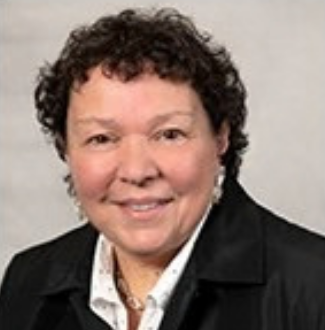
CTFA
Vice President, Wealth Management Officer · Plimoth Trust Company / Plimoth Investment Advisors
Carol brings extensive experience in personal trusts, investment management, and client service. She works with individuals and multigenerational families, primarily in New England, on corporate trustee and investment advisory needs.

EdD
Volunteer, Ombudsman and Caregiver
Following a career in higher education, Susan supports older adults and families navigating medical, personal, and life changes. In the Amherst and Pelham communities, she helps connect people with resources and encourages planning for the future.

CEO & Founder · Pragmatic Senior Solutions
Marc helps families consider the full picture of aging, from health and housing to legal and financial needs. His engineering and medical-device background informs his work with AgeTech and connected approaches to safety and independence at home.

Vishnu Franchise Brokers
Sumit and his wife, Su, founded their home-care business to support older adults and people with disabilities in the Norwood area. Their work includes in-home care, companionship, and support for families, informed by a tradition of caregiving.

CMC, CDP, SRES, SRS
Dovetail Companies
Erin is the founder and CEO of Dovetail Companies, an advisory and real estate services firm supporting older adults and families through life transitions. Her…
Service area and consultation availability to be confirmed

The Care Concierge Senior Living Advisors
Paul is the founder and CEO of The Care Concierge Senior Living Advisors, a senior living referral and placement agency. He supports families through an initial intake…
New England; confirm availability in your town

The Medicare Advisors
Russ is a licensed insurance adviser with a background in health insurance. He created The Medicare Advisors in 2014 after returning from retirement. His independent…
Worcester, Massachusetts; confirm coverage area and appointment availability
Explore public resources for older adults and families, or connect with a member to discuss your situation.
Find a professional ↗Questions about aging, care, or your next chapter?
Explore practical answers, then use our shared inquiry form if you’d like an introduction. Service areas, availability, and fees vary by professional.
Plan your support before you need it.
A Solo Ager is someone growing older without dependable family support nearby. Start with housing, a care budget, emergency contacts, legal decision-makers, and a circle of people who can help. Review the plan as your needs change.
Support can come from friends, community organizations, paid caregivers, and care coordinators. Identify who can help with everyday tasks, who can coordinate services, and who has legal authority to act. One person does not have to fill every role.
A Care Manager can assess needs, organize services, and help you consider future options. Ask about experience, credentials, availability, service area, and fees. We can discuss whether there is a suitable connection within the network.
Combine practical support with social connection: plan transportation, regular check-ins, activities, and help at home. Review home safety and whether technology fits your needs. Build personal relationships alongside professional services.
Connect your financial plan with your life plan.
Start with expected spending, dependable income, savings, debt, healthcare, and housing. A retirement plan should test inflation, longevity, market declines, and possible care costs. There is no single savings target that fits everyone. A Financial Advisor can help you weigh these trade-offs and build a retirement plan around your goals, with advice that puts your interests first.
When a Financial Advisor acts as your fiduciary, they owe you duties of care and loyalty. That means they must give advice in your best interest based on your goals and circumstances, and address conflicts that could influence their advice by eliminating them or fully and fairly disclosing them so you can make an informed decision. Ask when the advisor acts as a fiduciary, how they are paid, and whether they earn more if you choose certain products. This duty governs the advice you receive; investments can still lose value.
Compare starting earlier with waiting, using your benefit estimates and household needs. Health, work plans, cash flow, and potential spousal or survivor benefits all matter. A retirement professional can help evaluate the tradeoffs in your situation.
Ask providers for current written estimates, then model different levels and durations of care. Consider how those expenses fit with housing, income, investments, and any insurance. Coordinate financial planning with the people assessing your care needs.
Medicare generally does not pay for ongoing custodial long-term care, including help with everyday activities in assisted living. Certain skilled services may qualify under separate rules. Review Medicare, insurance, and any potential MassHealth eligibility individually.
Further reading: Massachusetts Long-Term Care Planning Resources ↗
Understand the options before choosing a community.
Begin with location, care needs, budget, and personal preferences. Compare communities, tour them, ask about staffing and additional charges, and check Massachusetts consumer resources. A placement professional may help narrow the choices.
Independent Living generally focuses on housing and amenities. Assisted Living adds personal support, while Memory Care programs provide a more structured setting for people with memory-related needs. Services differ by community; confirm care capabilities, admission criteria, and costs.
Prices vary by location, apartment, services, and care needs. Request an itemized quote covering base rent, care charges, fees, and possible increases. Compare the full monthly cost rather than the advertised starting rate.
Compensation varies. Some advisors receive payments from communities; others charge families or use another arrangement. Before engaging an advisor, ask who pays, which communities they consider, and whether compensation affects the options presented.
Further reading: Massachusetts Assisted-Living Resources · Mass.gov ↗
Make a major transition more manageable.
A Senior Move Manager may help sort belongings, plan a smaller space, coordinate movers, and settle you into a new home. Services vary. Ask which tasks are included, who performs them, and how the project is priced.
Start early, divide decisions into small steps, and let your parent set priorities where possible. Plan for belongings that will be kept, shared, donated, or sold. A move manager can help organize the process and coordinate the practical details.
Costs depend on location, time, home size, and scope. Some providers charge hourly and others quote a project fee. Ask for a written estimate and clarify whether movers, supplies, disposal, or other third-party costs are separate.
Find the right kind of help at home.
Home care commonly supports daily activities and companionship. Home health involves clinical services such as nursing or therapy ordered by a healthcare provider. Ask each agency exactly which services it provides and which payment options apply.
Ask about caregiver screening, training, supervision, backup staffing, insurance, and experience with your needs. Confirm the service area, minimum hours, written rates, cancellation terms, and how concerns are handled.
Medicare can cover qualifying home health services under specific conditions. It does not cover around-the-clock home care or personal care when that is the only help needed. Ask your healthcare provider and plan to confirm your benefits.
Request a current local estimate. Cost depends on tasks, schedule, minimum shifts, and overnight or weekend needs. Start with an assessment of the help required and confirm what is included in the written service plan.
Further reading: Massachusetts Consumer Guide to Medicare ↗
Plan ahead to stay in your own home.
Start with the routes and rooms used every day. Look at lighting, railings, bathroom access, and who can help if needs change. The Massachusetts Home Modification Loan Program may help eligible households pay for accessibility projects.
The state’s Home Modification Loan Program offers zero-interest, deferred-payment loans to eligible borrowers for certain accessibility changes. Check eligibility and project requirements before starting work.
Start with your regional Aging Services Access Point. Ask about transportation, meals, and help with daily activities in your town.
A starting point when there are many moving parts.
A local Care Manager may assess needs, coordinate services, and keep family members informed. Ask about emergency availability and communication arrangements. To find aging services near your parent, use the Mass.gov directory to find their regional Aging Services Access Point.
List the specific concerns and begin with an appropriate assessment. Medical changes belong with the healthcare team; practical issues may involve home care, housing, transportation, or care coordination. Identify the most immediate need, then build a plan.
Respite care provides temporary relief and may be available at home or in another setting. Ask about coverage, staff experience, scheduling, and costs. The right arrangement depends on the care recipient’s needs and the caregiver’s situation.
A Care Manager can help assess day-to-day needs, make a plan, find services, and coordinate updates among providers and family.
Ask for a written estimate that separates an initial assessment from ongoing help. Compare hourly or package fees, travel charges, and what is included.
Further reading: Massachusetts Options Counseling ↗
Clarify who can act and how your wishes are recorded.
Common planning topics include a health care proxy, durable power of attorney, will, and whether a trust is appropriate. Your needs depend on your situation. Ask a Massachusetts attorney to explain the documents and how they work together.
Healthcare and financial authority are separate. A health care proxy and a durable power of attorney can address different decisions, subject to their terms and applicable law. Choose suitable people and discuss backups with a Massachusetts attorney.
A Corporate Trustee is an institution that administers a trust according to its terms and legal duties. It may provide continuity when no suitable individual is available. Ask about acceptance criteria, services, fees, investment management, and how beneficiaries are supported.
A Will can direct how assets that pass through your estate are distributed. A Trust can set rules for managing and distributing assets held in it. An estate planning attorney can help you decide whether you need one or both.
Estate Preservation means planning to keep enough assets for your own needs and pass on what remains according to your wishes. Start by listing what you own and owe, reviewing how assets are titled and who your beneficiaries are, and estimating what you may need for future care. A Massachusetts Estate Planning Attorney can review your legal documents and explain the consequences of proposed transfers. A Financial Advisor and Tax Professional can help you evaluate how those decisions could affect your retirement income and taxes.
Further reading: Decision-Making Documents · Mass.gov ↗
Plan to pass on assets or take the next step after an inheritance.
Confirm what you are receiving, who is handling it, and what deadlines apply before moving money or selling an asset.
Massachusetts estate tax applies to the estate before it distributes assets. That is separate from any tax you may owe later, for example on a taxable inherited retirement account withdrawal. Ask a tax professional about the specific asset before acting.
Some accounts with a named beneficiary may pass outside probate. Ask the account provider what designation is on file and confirm how it applies with an estate attorney.
Make everyday routes safer and compare tools for getting help.
Start with clear walking paths, lighting, secure railings, and bathroom safety. If a parent has fallen or feels unsteady, ask their health care provider to assess fall risk.
The best fit is one the person can and will use. Compare a pendant or watch, who gets the alert, whether it works outside the home, and charging and monitoring costs. Automatic detection can miss a fall.
Ask your Massachusetts Council on Aging or senior center about local strength and balance classes. If you’re unsure which activities are safe for you, check with your health care provider.
Know when you can change plans and what to review each year.
Medicare Open Enrollment runs October 15 through December 7 each year. Changes generally start January 1. People already in Medicare Advantage have a separate January 1 through March 31 window.
If your current coverage is continuing and you want to keep it, you generally don’t need to re-enroll. Review changes to costs, prescriptions, and provider networks each fall.
Gather your medication list, preferred pharmacy, and providers. Use those to compare coverage and costs. Massachusetts SHINE offers free Medicare counseling.
Understand long-term care coverage and application questions.
MassHealth may cover nursing facility care or certain services at home for people who qualify. The programs have different financial and care requirements. Check the rules for the setting you need.
MassHealth may review past gifts or transfers for less than fair market value when deciding whether it will pay for nursing facility care. Ask a Massachusetts elder law attorney how the rules and exceptions apply before transferring assets.
In certain circumstances MassHealth may seek repayment from a member’s probate estate after death. State guidance explains which services are affected and when delays or hardship waivers may apply.
Find a starting point for veterans, spouses, and survivors.
Aid and Attendance may increase a federal VA pension for eligible veterans or surviving spouses who need help with daily activities. A local Veterans Service Officer can explain pension and care requirements.
Start with your local Veterans Service Officer. Chapter 115 can help eligible veterans and dependents with basic living and medical expenses.
Massachusetts operates Veterans Homes in Chelsea and Holyoke. Check with admissions about eligibility, care levels, and availability.
Further reading: Find Your Local Veterans Service Officer · Mass.gov ↗
Compare coverage, costs, and what starts a claim.
Term life covers a set period. Whole life is a type of permanent insurance that can build cash value and is designed to stay in force if policy requirements are met. Compare guarantees and what happens if you stop paying.
It depends on the policy. Ask which care settings are covered, what triggers payment, how long you must wait, and what monthly or total limits apply.
Contact your insurer as soon as you start needing regular help with daily tasks or supervision because of memory or thinking problems. You don’t have to wait for a move to assisted living to ask about filing a claim. Many policies require help with at least two daily activities, such as bathing and dressing, or substantial supervision due to severe cognitive impairment. Ask what your policy requires, which caregivers or providers qualify, and how to document care. If your policy has an elimination period (a waiting period before benefits are payable), ask when it starts and which days count. You may need to pay for care during that period.
Once you qualify for benefits under your policy, reimbursement pays eligible care expenses up to your policy limit. Indemnity pays a set amount when the policy’s payment conditions are met, even if your care costs less. For example, with a $200 daily benefit and $150 in eligible care costs, a reimbursement policy would generally pay $150, while an indemnity policy would pay $200 if its conditions are met. Ask your insurer what services qualify and what documentation you’ll need.
Premiums vary based on the applicant and the coverage selected. Connect with a licensed insurance professional for personalized quotes. Compare written quotes with similar benefits, waiting periods, and inflation protection, and ask whether premiums can rise.
Compare in-home respite, adult day programs, and short stays for older adults in Massachusetts.
Start with the Massachusetts Family Caregiver Support Program. A caregiver specialist can explain local options and help you ask about availability, costs, and eligibility.
Ask whether the program primarily offers activities and supervision or also provides nursing and personal care. The MassHealth Adult Day Health Program explains medical and financial eligibility and how to find a program.
Confirm hours, transportation, accessibility, medication support, and experience with dementia if relevant. Ask about minimum visits, costs, and what happens if the caregiver or program cancels.
Compare dementia support at home with residential memory care and prepare questions for a tour.
Talk with the person’s care team if current support no longer meets their needs, or if it is becoming difficult to provide the supervision they need at home. Massachusetts’ dementia handbook is a starting point for comparing options.
Ask about dementia training, overnight staffing, how the residence supports residents who become disoriented, and what happens as care needs change. Request written fees. The Massachusetts assisted living directory shows residences and lists Special Care Units where applicable.
It depends on their needs and the support available. Ask the care team about home safety, supervision, and a backup plan for caregivers. See Massachusetts dementia home safety resources for ideas to discuss.
Compare short-term rehabilitation and long-term nursing care, and know what to ask before hospital discharge.
Short-term rehab typically focuses on recovery after an illness, injury, or hospital stay. Long-term nursing home care provides ongoing support when care needs cannot be met safely in the current setting. Some facilities offer both; ask which services are available for the person’s needs.
A senior placement professional can help you identify and compare nursing homes or short-term rehab facilities based on care needs, location, and budget. Use the state’s Choosing a Nursing Home guide and facility survey information. Ask about therapy, staffing, costs, coverage, and how the facility involves the resident and family in planning.
You can hire a private Care Manager to work with your family and the facility’s discharge team to plan the return home and arrange support such as home care, equipment, and follow-up appointments. Ask the facility to review what support is needed at home. The Massachusetts Community Transition Liaison Program can help eligible nursing facility residents plan a return to the community.
Understand how Massachusetts’ Personal Care Attendant and Adult Foster Care programs differ.
It may be possible through a MassHealth program. Start with the state’s Personal Care Attendant fact sheet and Adult Foster Care fact sheet. Each has different requirements for the person receiving care and the caregiver.
Personal Care Attendant services are self-directed: the eligible member hires and manages attendants for authorized help. Adult Foster Care involves an eligible member living with a qualified caregiver, with nursing oversight and care management through a provider agency.
MassHealth’s Adult Foster Care fact sheet excludes a spouse or legal guardian from serving as the caregiver. The Personal Care Attendant program has its own rules about who may be hired. Check the rules with the appropriate MassHealth program before making arrangements.
Find Massachusetts housing resources for older adults and learn how to apply for income-based rental housing.
Start with the state’s public housing application guide. Most state-funded public housing uses the shared CHAMP application. Review age, income, and household rules and select towns where you could realistically live.
Waits vary by location and program. Ask the local housing authority about current waitlists, keep your contact details up to date, and follow the state’s instructions for keeping your application active.
No. Affordable rental housing addresses rent and housing access; it does not necessarily include personal care. Ask whether a property has on-site support. Massachusetts’ housing resources for older adults can help you compare programs.
No matching questions. Try another term or ask the network about a connection.
Use our shared inquiry form to request an introduction or ask for help finding the right professional. Confirm qualifications, service area, fees, and any referral compensation with each provider. These answers are general information; individual financial, legal, and care decisions need advice specific to you.
Reviewed October 2026
Questions about attending meetings, membership, programs, and continuing education.
Still have a question? Get in touch ↗We are a statewide community of professionals who serve older adults. We bring professionals together to exchange knowledge, build relationships, and better serve older adults and their families.
Our community brings together professionals from fields such as healthcare, financial services, legal services, social work, senior living, home care, and community advocacy. Visit Who We Are to meet some of our members.
We meet virtually on the last Thursday of each month at noon Eastern Time. Our meetings section automatically displays the next scheduled date. Confirm the program and joining instructions before attending, particularly around holidays.
Send a group inquiry for meeting information.
To attend as a guest or learn about participating, send a group inquiry.
Meetings are virtual. Send a group inquiry for joining instructions.
Send a group inquiry with your professional background and areas of service. Member spotlights introduce the people and experience within our community.
Yes. You can learn about our network and explore the member spotlights to understand the range of experience in our community. If you would like an introduction, use our shared inquiry form.
Looking for help with retirement, senior living, home care, or another aging-related need? Use the same inquiry form for professional introductions, membership, programs, and meetings.
Contact us ↗Choose the group, membership, and meetings topic on the same form.
Send a group inquiry ↗